
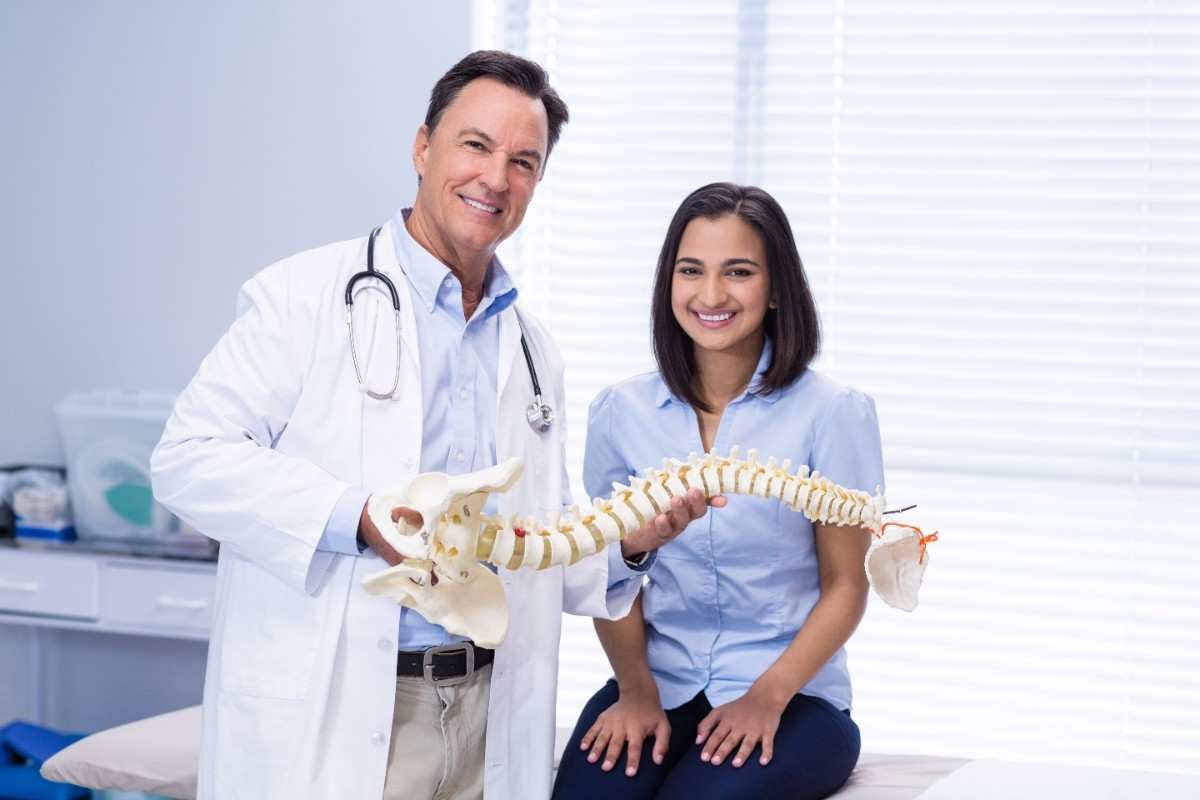
If you typed “orthopedic near me in Karimnagar, Telangana” into Google, chances are you are not doing it casually. Most people search for this when pain starts affecting daily life, like climbing stairs, sitting for long hours, walking, driving, or even sleeping comfortably.
The challenge is not finding a name. The real challenge is choosing the right orthopedic doctor for your specific problem, whether it is knee pain, back pain, joint stiffness, or a sudden injury. This guide will help you make that choice with confidence, using simple checks that match real patient needs.
What Does an Orthopedic Doctor Treat?
Orthopedic doctors treat conditions of the bones, joints, muscles, ligaments, tendons, and spine. In practical terms, that includes:
- Knee pain, swelling, stiffness, ligament injuries
- Back pain, sciatica, disc issues, posture-related pain
- Shoulder pain, frozen shoulder, rotator cuff issues
- Hip pain, arthritis, mobility problems
- Elbow and wrist pain, tendonitis, sports-related injuries
- Fractures, accidents, and complex trauma care
If your pain is stopping you from moving usually or has been recurring for weeks, an orthopedic consultation is often the right next step.
Why People Search “Orthopedic Near Me” in Karimnagar, Telangana
Local search is not just about distance. It’s about getting care that is easy to access for follow-ups, therapy sessions, dressing changes, and post-treatment reviews.
When you choose an orthopedic doctor near your location in Karimnagar, you usually get:
- Faster appointments during flare-ups
- More effortless follow-ups for scans and reports
- Better continuity of care for chronic joint issues
- Support for rehab, physiotherapy, and recovery planning
For problems like knee pain or back pain, treatment is rarely “one visit and done.” Local access matters.
When Should You See an Orthopedic Doctor for Knee Pain?
Knee pain is one of the top reasons people look for an orthopedic specialist. It can start as mild discomfort and slowly become a daily limitation.
You should consider an orthopedic visit if:
- Pain lasts more than 7–10 days
- Swelling keeps coming back
- Pain increases while climbing stairs or standing up
- You feel locking, clicking, or instability
- You cannot fully bend or straighten the knee
- Pain follows an injury, fall, or twist
In many cases, early diagnosis can prevent the condition from worsening and help you avoid long recovery periods.
If your pain is persistent, make sure your consultation specifically covers knee pain treatment options based on your age, activity, weight, and lifestyle.
When Should You Consult for Back Pain?
Back pain can be tricky because it can look “normal” at first, especially if you sit for long hours, do manual work, or travel often. But sure signs mean it’s time to consult.
You should not ignore back pain if:
- Pain shoots down the leg (possible nerve irritation)
- You feel numbness or tingling
- Pain worsens at night or after rest
- You have difficulty standing straight
- Pain returns repeatedly even after medication
- There’s weakness in the foot or leg
A good orthopedic doctor will not just give painkillers. They will check posture, movement, neurological symptoms, and recommend imaging only when needed.
Do Joint Pains Always Mean Arthritis?
Not always. Many people assume joint pain equals arthritis, but joint pain has several possible causes, including:
- Overuse and strain
- Tendon inflammation
- Old injuries
- Vitamin deficiencies (in some cases)
- Early wear and tear due to weight or posture
- Autoimmune conditions (less common, but possible)
The best approach is not guessing. A proper assessment helps identify whether it’s early arthritis, injury-related pain, or something else. This matters because the treatment plan changes entirely depending on the cause.
If you’re looking for guidance on joint-related care, ask about joint treatment options that focus on both pain relief and long-term mobility.
How to Choose the Right Orthopedic Doctor in Karimnagar, Telangana
When searching for “orthopedic near me,” many people choose based solely on ratings. Ratings help, but they are not enough on their own. Here are practical points that matter more.
1) Check if the doctor treats your specific problem often
Orthopedics is broad. Some doctors handle more spine cases, some handle joint replacements, and some handle sports injuries. If your issue is knee, shoulder, or hip pain, choose someone who regularly manages those conditions.
2) Ask about diagnosis-first approach
A reliable orthopedic doctor focuses on:
- Listening to symptoms properly
- Checking movement, stability, and pain triggers
- Advising scans only when necessary
- Explaining the cause in simple language
3) Look for a balanced treatment mindset
The best orthopedic doctors do not jump straight to surgery. They discuss:
- Rest and activity correction
- Physiotherapy
- Pain management
- Injections (only if needed)
- Surgical options (only when clearly necessary)
4) Consider rehab and follow-up support
Recovery is part of treatment. Whether it’s a ligament injury, back pain, or post-surgery rehab, follow-ups are essential.
5) Evaluate trauma handling capability (important in emergencies)
If your concern involves major accidents or injuries, make sure the care pathway includes trauma readiness for cases like polytrauma.
What Treatments Can an Orthopedic Doctor Offer?
Orthopedic treatment is not one-size-fits-all. It depends on diagnosis, severity, age, lifestyle, and daily activity levels.
Standard treatment approaches include:
- Pain relief and inflammation control
- Physiotherapy and guided strengthening
- Posture correction and ergonomic advice
- Bracing or supports in selected cases
- Injections for inflammation or joint lubrication (case-dependent)
- Minimally invasive procedures when required
- Surgery for fractures, ligament tears, severe arthritis, or structural damage
If you have joint-specific concerns, you can also ask directly about hip, shoulder, and elbow treatment based on where you feel pain and limitation.
Questions You Should Ask Before or During Your Consultation
If you want a confident decision, take these questions to your appointment:
- What is the most likely cause of my pain?
- Is this condition reversible or manageable in the long term?
- Do I need an X-ray or MRI now, or can we wait?
- What non-surgical treatments can I try first?
- How soon can I return to work or daily activities?
- What lifestyle changes will improve recovery?
- When should I come back for a follow-up?
These questions protect you from vague answers and help you understand what your treatment plan actually looks like.
What Tests and Scans Are Commonly Done for Ortho Problems?
Not everyone needs an MRI. A good orthopedic evaluation usually starts with physical examination and history.
Common tests include:
- X-ray: helpful for bones, arthritis changes, and fractures
- MRI: helpful for ligaments, cartilage, discs, soft tissue injuries
- CT scan: sometimes used for complex fractures
- Blood tests: occasionally needed if inflammation or infection is suspected
A brilliant orthopedic plan is not “more tests.” It’s the proper test at the right time.
What If Your Pain Is Due to a Sports Injury or Ligament Damage?
Sports injuries are not limited to athletes. Even normal people can get injured from:
- Slipping on stairs
- Sudden running or jumping
- Gym workouts
- Bad landings
- Two-wheeler accidents
- Weekend sports like cricket or badminton
That’s why common sports injury cases often include ligament strain, meniscus issues, ankle sprains, and shoulder strains.
If you suspect ligament injury, ask whether the doctor evaluates stability and motion correctly. In knee injuries, one crucial category is multi-ligament injuries (for example, after a major twist or accident). These require careful planning, not rushed treatment, because long-term stability and walking confidence depend on getting it right.
Is It Safe to Delay Orthopedic Treatment?
Putting things off can complicate a straightforward problem.
For example:
“Minor knee problems may lead to persistent cartilage damage”: Here, the key is to
Unattended back pain may cause chronic nerve irritation
The stiffness and pain can also increase and result in reduced mobility of the
Old bone fractures and ligaments might heal improperly and then lead to lifelong problems
Treatment that happens sooner will normally be easier, less expensive, and faster. Even if it involves no more than rest, therapy, and strengthening, beginning it sooner leads to better results.
Why Picking a Local Orthopedic Surgeon Makes Recovery Better
- Generally, there are several steps that may be taken when seeking
- First consultation
- Scans or reports
- Treatment plan
- Follow-ups
- Physiotherapy or Rehab
- Progress reviews
The proximity of the orthopedic specialist in Karimnagar will ensure that the complete treatment process is followed meticulously. This factor can bring improvement on its own.
Conclusion
When a search such as “orthopedic near me in Karimnagar, Telangana,” is conducted, the expectation is to have relief, gain clarity, and have a trust-worthy plan in place. A good orthopaedic specialist will never rush the patient, confuse the patient, or make the patient feel like a number. They can properly diagnose, properly communicate, and start off safely.
“If you can pick based upon what your specific pain is (knee, back, joint, shoulder, hip pain), what support is available for follow-up, and what questions you need to answer, you will be directed towards a course that feels organized and supportive, versus stressful.”
Frequently Asked Questions
How do I choose the best orthopedic near me in Karimnagar telangana for knee pain?
When searching orthopedic near me in Karimnagar telangana, start by matching the doctor’s experience with your problem, especially knee pain. Ask if they commonly treat ligament injuries, arthritis, swelling, or long-term knee stiffness. A good orthopedic doctor will first do a detailed physical exam, understand how the pain started, and check movement, stability, and swelling. They should explain whether you need an X-ray or MRI, and why. Prefer a doctor who offers step-by-step care such as physiotherapy guidance, activity correction, and non-surgical options before considering surgery. Also check if follow-ups are easy, because knee pain recovery usually needs monitoring over a few weeks.
When should I see an orthopedic near me in Karimnagar telangana for back pain?
If you are searching orthopedic near me in Karimnagar telangana for back pain, book a consultation when pain lasts more than 7–10 days, keeps returning, or affects walking, sitting, or sleep. Red flags include pain radiating to the leg, tingling, numbness, weakness, or pain that gets worse at night. An orthopedic doctor can evaluate posture, spine movement, and nerve symptoms, then suggest treatment like rest, physiotherapy, posture correction, or medicines if required. Scans like MRI are not always needed on day one, so choose a doctor who recommends tests only when necessary. Early diagnosis helps prevent chronic issues and improves recovery time.
3) What treatments can an orthopedic near me in Karimnagar telangana provide for joint pain?
People searching orthopedic near me in Karimnagar telangana often want fast relief from joint pain, but the best care focuses on both pain control and long-term mobility. Treatment depends on the cause, such as arthritis, inflammation, injury, or wear and tear. Common non-surgical options include medicines, physiotherapy, strengthening exercises, posture and weight guidance, supportive braces, and lifestyle changes. In some cases, injections may be suggested for inflammation control or joint lubrication. If the joint is severely damaged, the doctor may discuss surgical options, but only after trying conservative care when appropriate. A good orthopedic doctor will explain your condition clearly and give a plan you can follow.
Do I need an X-ray or MRI before visiting an orthopedic near me in Karimnagar telangana?
No, you usually don’t need scans before visiting an orthopedic near me in Karimnagar telangana. Most orthopedic doctors prefer to first understand your symptoms and do a physical examination. If needed, they may recommend an X-ray to check bones, alignment, or arthritis changes. MRI is typically suggested when soft tissue damage is suspected, like ligament tears, meniscus injuries, disc issues, or nerve compression. The key is not doing tests “just in case.” Choose a doctor who explains why a scan is required and what they expect to find. If you already have old reports, bring them along so the doctor can compare and avoid repeating unnecessary tests.
How do I know if my pain is serious enough to see an orthopedic near me in Karimnagar telangana?
If you are searching orthopedic near me in Karimnagar telangana, your pain is likely affecting daily life. You should consult an orthopedic doctor if pain lasts more than a week, keeps coming back, or limits normal movement like walking, bending, climbing stairs, lifting, or sleeping comfortably. Also seek help if there is swelling, instability, locking, numbness, tingling, weakness, or pain after a fall or accident. Early evaluation reduces the chance of long-term damage, especially in knee, back, or joint conditions. A good orthopedic doctor will help identify the root cause and guide you through safe treatment options, rather than just giving temporary pain relief.

Dr. Shashikanth Rasakatla is a leading Orthopedic Surgeon, Joint Replacement Specialist, and the founder of the Sri Shashikanth Pain Management and Sports Injuries Centre in Karimnagar. He is passionate about using advanced, minimally invasive techniques to help patients overcome pain and return to an active lifestyle. Through his writing, he aims to provide clear, trustworthy information on joint health and sports medicine.
Leave a Reply