
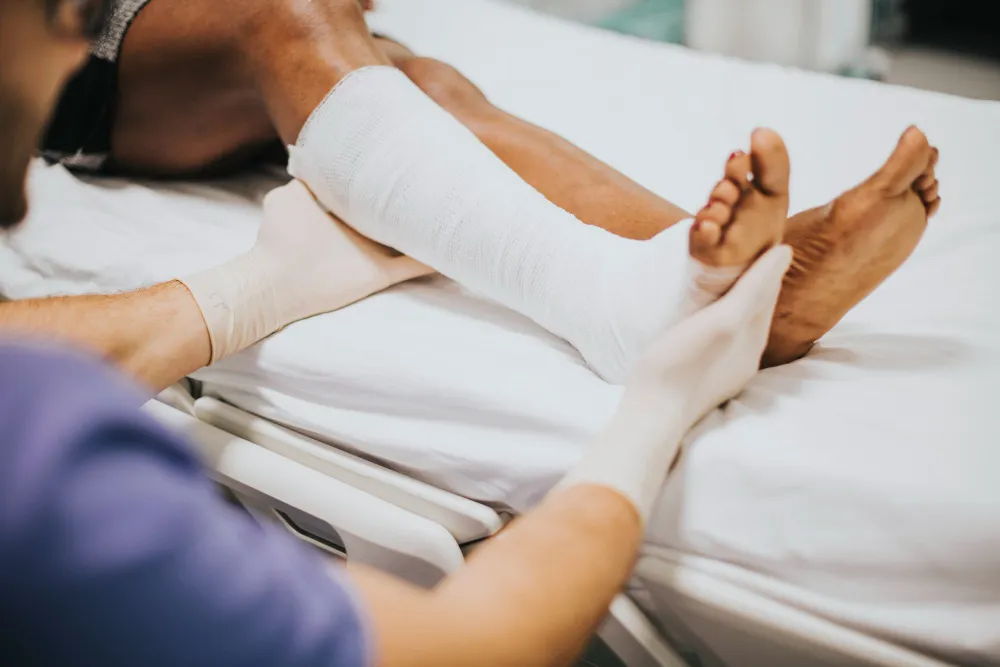
When someone suffers injuries to multiple body systems or organs simultaneously , such as in a road accident, industrial mishap, or a major fall , it is referred to as polytrauma. Understanding the polytrauma meaning is critical not just for medical professionals, but also for patients and families navigating a frightening and complex recovery journey.
At Shashikanth Orthopedic Hospital in Karimnagar, Dr. Shashikanth Rasakatla and his team are experienced in managing complex polytrauma cases, offering advanced trauma care in Telangana’s Karimnagar region.
What Is the Meaning of Polytrauma?
The word ‘polytrauma’ is derived from the Greek word ‘poly,’ meaning ‘many,’ and ‘trauma,’ meaning ‘wound’ or ‘injury.’ In medical terminology, polytrauma refers to a clinical condition in which a patient has sustained two or more significant injuries to different body regions or organ systems, at least one of which is life-threatening or life-altering.
The internationally recognised definition used by many trauma centres classifies polytrauma as an Injury Severity Score (ISS) of 17 or more , a score that quantifies the severity of injuries across multiple body systems.
Simply put, polytrauma is not just about having multiple injuries , it is about the combined physiological response of the body to simultaneous trauma across different systems. This systemic response is what makes polytrauma uniquely dangerous and complex to treat.
How Does Polytrauma Differ from Multiple Injuries?
Not every person with two broken bones has polytrauma. The distinction lies in the body’s systemic response:
- Multiple injuries: Two or more injuries that are individually managed. The body can largely compensate.
- Polytrauma: Multiple injuries that trigger a widespread inflammatory response, leading to organ stress, coagulation disorders, and potential multi-organ dysfunction , even in body parts not directly injured.
This systemic cascade is the reason why polytrauma requires specialised, coordinated, multi-disciplinary care rather than simply treating each injury separately.
Common Causes of Polytrauma
Polytrauma most commonly results from high-energy trauma events. In India, road traffic accidents are the leading cause. Common causes include:
- Road traffic accidents (RTA) , the most common cause in India
- Falls from height (construction accidents, industrial incidents)
- Two-wheeler accidents without helmets
- Industrial or factory accidents
- Sports-related high-energy collisions
- Blast injuries or acts of violence
- Agricultural accidents
Body Systems Commonly Affected in Polytrauma
Polytrauma can involve any combination of the following:
- Musculoskeletal: Fractures of the pelvis, femur, spine, long bones, and multiple limb injuries.
- Head and Brain: Traumatic brain injury (TBI), skull fractures, concussion.
- Chest: Rib fractures, pneumothorax (collapsed lung), haemothorax, cardiac contusion.
- Abdomen: Liver or spleen lacerations, bowel injuries, kidney trauma, internal bleeding.
- Spine: Vertebral fractures, spinal cord injuries, nerve damage.
- Vascular: Major blood vessel injuries leading to life-threatening haemorrhage.
How Severe Is Polytrauma? The Injury Severity Score (ISS)
Medical professionals use the Injury Severity Score (ISS) to classify polytrauma severity. The body is divided into six regions:
- Head and neck
- Face
- Chest
- Abdomen
- Extremities (limbs)
- External (skin/soft tissue)
Each region is scored for injury severity, and the three highest-scoring regions are used to calculate the ISS (0–75). An ISS of 17 or above is classified as major or severe polytrauma. Scores above 25 carry a high mortality risk without immediate, specialised care.
Complications of Polytrauma
Polytrauma is associated with a spectrum of serious complications. Understanding these helps in appreciating why immediate medical care is critical:
- Hypovolaemic Shock: Massive blood loss causing dangerously low blood pressure and organ failure.
- Traumatic Brain Injury (TBI): Brain swelling, haemorrhage, or contusion from head trauma.
- Acute Respiratory Distress Syndrome (ARDS): Severe breathing difficulty from lung trauma or the systemic inflammatory response.
- Deep Vein Thrombosis (DVT): Blood clots forming in immobilised limbs , a risk during prolonged hospitalisation.
- Fat Embolism Syndrome: Fat particles released from fractured long bones can block blood vessels in the lungs or brain.
- Infection and Sepsis: Open wounds and prolonged hospitalisation increase infection risk.
- Multi-Organ Dysfunction Syndrome (MODS): The most feared complication , when multiple organs fail simultaneously due to the systemic trauma response.
- Long-term Disability: Physical, cognitive, or psychological disability affecting quality of life even after physical recovery.
Polytrauma Treatment: The Damage Control Approach
Treatment of polytrauma follows a structured, phased approach. At specialised centres like Shashikanth Orthopedic Hospital, management follows the Damage Control Orthopaedics (DCO) and ATLS (Advanced Trauma Life Support) protocols:
Phase 1 – Immediate Resuscitation (0–24 hours)
- Stabilise airway, breathing, and circulation (ABC protocol)
- Control life-threatening haemorrhage with emergency surgery
- Blood transfusions and fluid resuscitation
- Emergency stabilisation of critical fractures (external fixators)
- CT scan trauma survey to identify all injuries
Phase 2 – Stabilisation (24–72 hours)
- Monitor and stabilise physiological parameters (temperature, coagulation, acid-base balance)
- ICU monitoring for organ function
- Management of head injury, chest, and abdominal injuries
Phase 3 – Definitive Repair (After Stabilisation)
- Definitive internal fixation of fractures (intramedullary nails, plates, screws)
- Reconstructive surgery for soft tissue and vascular injuries
- Spinal stabilisation if required
Phase 4 – Rehabilitation
- Physiotherapy to restore strength, mobility, and coordination
- Occupational therapy to regain daily functional skills
- Psychological support for PTSD and trauma-related mental health
- Nutritional support for healing
Polytrauma Care at Shashikanth Orthopedic Hospital, Karimnagar
Shashikanth Orthopedic Hospital is equipped and experienced to manage polytrauma cases in the Karimnagar region. Our facilities and capabilities include:
- 24×7 Emergency Services: Round-the-clock availability for trauma emergencies.
- Equipped Operation Theatre: State-of-the-art OT with advanced surgical tools for trauma surgery.
- ICU Monitoring: 20-bed facility with intensive care for critical polytrauma patients.
- Expert Trauma Surgeon: Dr. Shashikanth Rasakatla, specialist in complex fractures and trauma management.
- Specialist Anaesthesiologist: Dr. Sugatri K Rasakatla , MBBS, MD.Anaesthesia (Gold Medal) , ensuring safe management during all procedures.
- Damage Control Orthopaedics: Phased fracture management to allow physiological stabilisation before definitive surgery.
- Rehabilitation Support: Comprehensive post-operative physiotherapy and recovery planning.
Frequently Asked Questions About Polytrauma
Q: What is the difference between polytrauma and multiple trauma?
A: The terms are often used interchangeably, but polytrauma specifically implies a systemic physiological response to multiple injuries , not just the presence of multiple wounds. Polytrauma involves at least one life-threatening injury and triggers complex body-wide responses that make treatment more challenging.
Q: Can polytrauma patients make a full recovery?
A: Yes , with prompt, expert care, many polytrauma patients achieve excellent recovery. Outcomes depend on the severity of injuries, speed of treatment, and quality of rehabilitation. Early intervention at a specialised trauma centre greatly improves the chance of full recovery.
Q: How long does it take to recover from polytrauma?
A: Recovery timelines vary significantly. Minor polytrauma may resolve in a few months. Severe polytrauma with multiple organ involvement may require 12–24 months of active treatment and rehabilitation. Psychological recovery may take longer and should not be overlooked.
Q: When should I go to an emergency hospital after an accident?
A: Immediately. Any high-energy accident (road accident, fall from height, industrial accident) warrants emergency evaluation even if you feel ‘okay’ , internal injuries are not always obvious. Call +91 81424 05060 for our 24×7 emergency line.
Conclusion
The meaning of polytrauma goes beyond ‘many injuries’ , it describes a complex medical emergency where the body’s response to multiple simultaneous injuries poses as great a danger as the injuries themselves. Understanding this helps patients, families, and communities appreciate the critical importance of rapid, specialised trauma care.
Shashikanth Orthopedic Hospital in Karimnagar provides expert, compassionate polytrauma management , from emergency stabilisation through to full rehabilitation. If you or a loved one has been in a serious accident, do not delay , reach us immediately.
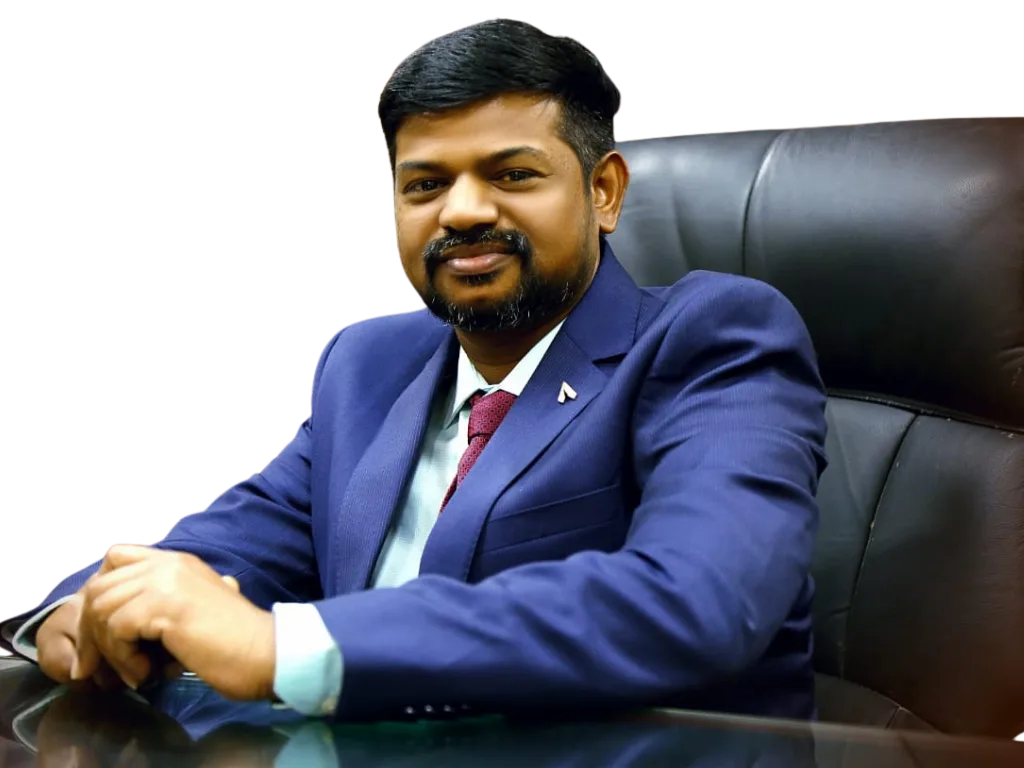
Dr. Shashikanth Rasakatla is a leading Orthopedic Surgeon, Joint Replacement Specialist, and the founder of the Sri Shashikanth Pain Management and Sports Injuries Centre in Karimnagar. He is passionate about using advanced, minimally invasive techniques to help patients overcome pain and return to an active lifestyle. Through his writing, he aims to provide clear, trustworthy information on joint health and sports medicine.
Leave a Reply