
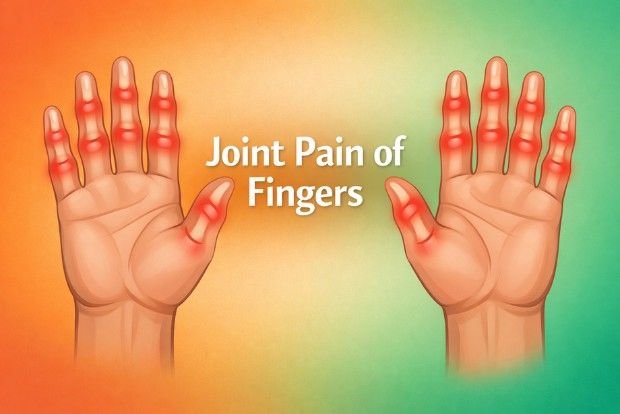
If your search is for “joint pain of fingers,” what you are likely looking for is both an apparent explanation for your problem and a way to solve it quickly. Finger joint pain may begin mildly but develop into an irritating problem that impacts your activities from typing to lifting, from driving to even simple tasks such as opening a bottle of wine or holding a spoon.
This manual is about everything that exists in simple English, with emphasis on that which people want to know about, including symptoms, causes, diagnoses, effective treatments, exercises, and you can visit best orthopedic hospital in karimnagar.
Quick Answer: Fingers Joint Pain: Explanation and Treatment
For more information:
- Overuse and Repetitive Activities (e.g., typing, using tools,
- Arthritis (osteoarthritis, rheumatoid arthritis
- Tendon irritation (trigger finger, tendon inflammation)
- Old injuries such as sprains, fractures, or ligament
- Gout – uric acid crystal inflammation
- Vitamin D deficiency (can exacerbate pain and stiffness)
Why Finger Joint Pain Is so Frustrating
Finger joints are small joints that are always at work. Even the slightest inflammation or stiffness will impair hand grip strength and finger mobility. Many persons also find that hand pain worsens with RA:
- In the morning
- After long hours of work
- In cold weather
- After lifting or tight gripping
Finger Joint Anatomy (In Simple Words)
Your finger has joints that act like hinges:
- Knuckle joint: where the finger meets the hand
- Middle joint: the centre hinge of the finger
- Tip joint: closest to the nail
Each joint has cartilage (a smooth cushion), joint lining, multi ligaments (support), and tendons (for movement). Pain can come from any of these parts.
Symptoms of Joint Pain in Fingers
Finger joint pain does not look the same for everyone. Watch for these common signs:
1) Pain while bending or gripping
You feel pain when you type, lift, twist, write, or hold items.
2) Morning stiffness
Fingers feel tight on waking up. It improves after movement. If stiffness persists daily for a long time, it can point to inflammation.
3) Swelling around the finger joints
Joints may look puffy or larger than usual, or feel tight.
4) Warmth or redness
This often suggests inflammation, especially when swelling is present.
5) Weak grip or dropping things
You may struggle to hold a bottle, bag, or even a phone comfortably.
6) Clicking, popping, or locking
A finger may catch while bending and then suddenly release. This is common in trigger fingers.
7) Reduced range of motion
You cannot fully bend or straighten a finger like before.
Main Causes of Joint Pain in Fingers
Let’s break it down clearly, so you can match the cause with your symptoms.
1) Overuse and Repetitive Strain
This is one of the most common reasons today.
Common triggers:
- Long hours of typing
- Using tools (mechanical work, salon work, carpentry)
- Cooking and chopping daily
- Stitching, knitting, craft work
- Heavy phone scrolling and gaming
Typical signs:
- Pain increases during the day
- Rest gives relief
- Mild swelling or soreness
- No prominent redness or warmth
2) Osteoarthritis (Wear and Tear Arthritis)
This usually happens slowly over time. Cartilage becomes thinner, and joints start rubbing.
Typical signs:
- Pain and stiffness, especially after work
- Bony bumps near finger joints over time
- Reduced finger flexibility
- Pain can flare up in cold weather
Osteoarthritis commonly affects the tip joints and middle joints.
3) Rheumatoid Arthritis (Inflammatory Arthritis)
This is an autoimmune condition where the body attacks the joint lining. It can affect both hands.
Typical signs:
- Swollen and tender joints
- Morning stiffness lasts longer
- Warmth around joints
- Pain in multiple joints, not only one finger
- Fatigue sometimes
Early treatment is crucial in inflammatory arthritis.
4) Psoriatic Arthritis
Some people with psoriasis can develop joint pain and swelling in their fingers.
Typical signs:
- Swollen fingers (sometimes the whole finger looks puffy)
- Stiffness and pain
- Nail changes in some cases
5) Trigger Finger (Tendon Irritation)
This is common and treatable. The tendon gets irritated and does not glide smoothly.
Typical signs:
- Finger locks or catches while bending
- Pain near the base of the finger
- Clicking while opening or closing the finger
- Worse in the morning
6) Old Injury, Sprain, or Fracture
Even after healing, a joint can remain sensitive.
Typical signs:
- Pain returns during heavy use
- One finger joint is mainly affected
- Stiffness after long rest
- History of a jammed finger or trauma
7) Gout (Uric Acid Crystal Pain)
Gout can cause sudden, severe pain due to uric acid crystals in the joint.
Typical signs:
- Sudden intense pain
- Redness, warmth, swelling
- Very tender joint
- Episodes that flare and settle
8) Infection (Less Common but Serious)
This needs urgent medical care.
Typical signs:
- Severe pain with swelling
- Hot, red joint
- Fever or feeling unwell
- Pain after a cut or wound near the joint
9) Vitamin D, B12, Calcium Deficiency (Support Factor)
Deficiency does not always cause joint swelling, but it can worsen pain, stiffness, fatigue, and recovery time.
Typical signs:
- General body aches
- Frequent tiredness
- Muscle cramps or weakness
- Joint pain that feels widespread
How Doctors Diagnose Finger Joint Pain
A good diagnosis saves time, money, and unnecessary painkillers.
Common steps:
1) History and symptom pattern
- When it started
- Which joints
- Morning stiffness duration
- What makes it worse or better
- Work and lifestyle habits
2) Physical examination
- Swelling, tenderness, warmth
- Finger movement
- Grip strength
- Joint stability
- Trigger finger testing
3) X-ray
Helps see arthritis changes, old injury damage, and joint spacing issues.
4) Ultrasound or MRI (if needed)
Helpful for tendon inflammation, ligament damage, or early joint lining inflammation.
5) Blood tests (if arthritis is suspected)
Used to check inflammation markers and autoimmune clues.
6) Uric acid test (if gout is suspected)
Best Treatment Options for Joint Pain in Fingers
The proper treatment depends on the cause. Here is what usually works in real life.
1) Rest + Activity Correction (Most Underrated Step)
If pain is from overuse, you must reduce strain for a few days. Not complete rest, but smart rest:
- Avoid tight gripping
- Take breaks every 30 to 45 minutes
- Use both hands for heavy tasks
2) Cold or Heat Therapy
- Use a cold pack for swelling, warmth, or flare-ups (10 minutes)
- Use a warm compress for morning stiffness (10 minutes)
3) Splints or Finger Support
Splints help when:
- The joint is unstable
- Trigger finger is present
- Pain is worse at night
- You need temporary support during work
4) Medicines (Only with Medical Guidance)
Doctors may recommend pain relief or anti-inflammatory medicines based on the cause and your health history. Avoid long self-medication.
5) Physiotherapy and Hand Therapy
Hand therapy helps with:
- Better range of motion
- Stronger grip
- Reduced stiffness
- Improved tendon glide
6) Injections (For Certain Cases)
In trigger finger or strong inflammation, injections can reduce swelling and improve movement. Not everyone needs it, but it can help in specific situations.
7) Surgery (Last Option)
Usually considered only when:
- Severe joint damage
- Persistent locking that does not improve
- Tendon rupture or significant ligament injury
- Advanced arthritis deformity
Simple Home Care That Helps Most People
If your pain is mild to moderate, these steps are worth doing consistently.
1) Morning Warm Water Routine (10 minutes)
Soak hands in warm water, then gently open and close the fingers.
2) Gentle Finger Exercises (No Force)
Try once or twice daily:
- First open and close: 10 slow reps
- Finger bend one by one: 5 reps each finger
- Thumb-to-finger touch: touch each fingertip, 10 reps
- Tabletop stretch: palm on the table, lift fingers slowly
Stop if you feel sharp pain.
3) Reduce Phone Strain
- Hold the phone with both hands
- Use voice typing when possible
- Avoid long one-handed scrolling
4) Improve Work Ergonomics
- Keep wrists straight while typing
- Use a comfortable keyboard height
- Avoid continuous gripping tools without breaks
5) Nutrition and Hydration
Support joint health by:
- Drinking enough water daily
- Eating protein daily
- Adding fruits and vegetables daily
- Checking Vitamin D and B12 if symptoms are frequent
What NOT To Do When You Have Finger Joint Pain
These mistakes delay recovery:
- Ignoring pain and pushing through daily
- Cracking joints repeatedly for “relief.”
- Aggressive stretching when joints are swollen
- Using painkillers daily without a diagnosis
- Doing heavy gym gripping with active pain
When to See a Doctor
Get medical help if you notice any of these:
- Pain lasting more than 1 to 2 weeks
- Swelling with warmth or redness
- Morning stiffness that lasts for a long time daily
- Finger locking regularly
- Visible deformity or bending
- Severe pain after injury
- Numbness or tingling with weakness
- Fever or suspected infection
Conclusion
Joint pain of fingers is common, but it should not become “normal.” Most cases improve with early care: reducing overuse, correcting hand habits, using heat or cold properly, and doing gentle exercises. If swelling, long morning stiffness, or finger locking is present, a proper diagnosis is important because early treatment protects your joints long term.
FAQ: Joint Pain of Fingers
1) Why do my finger joints hurt in the morning?
Morning pain usually happens due to stiffness from inflammation, tendon tightness, or early arthritis. If it lasts for a long time daily, get checked.
2) Can typing cause joint pain in the fingers?
Yes. Extended typing without breaks and poor wrist posture can strain finger joints and tendons.
3) How do I know if it is arthritis or overuse?
Overuse pain improves with rest and has less swelling. Arthritis often has morning stiffness, swelling, warmth, and can affect both hands.
4) What is the best home remedy for finger joint pain?
Warm water soak for stiffness, cold pack for swelling, and gentle exercises are the most reliable basics.
5) Is finger joint pain severe?
It can be mild, but if it is persistent with swelling or stiffness, it can signal arthritis or tendon problems. Early treatment prevents long-term damage.

Dr. Shashikanth Rasakatla is a leading Orthopedic Surgeon, Joint Replacement Specialist, and the founder of the Sri Shashikanth Pain Management and Sports Injuries Centre in Karimnagar. He is passionate about using advanced, minimally invasive techniques to help patients overcome pain and return to an active lifestyle. Through his writing, he aims to provide clear, trustworthy information on joint health and sports medicine.
Leave a Reply