
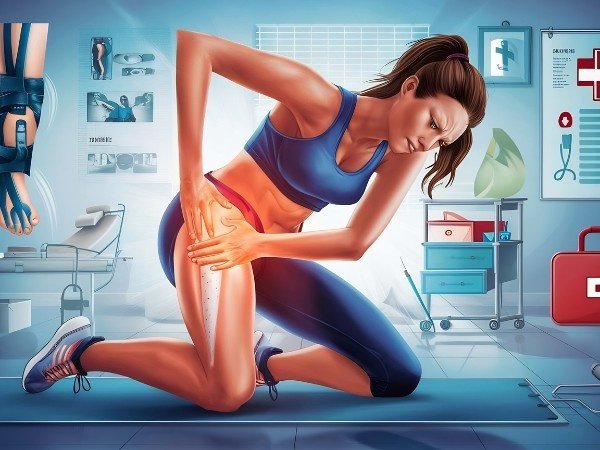
Hip and lower back pain often go hand in hand because the spine and hip joints share nerves, muscles, and supporting structures. A problem in the hip (like arthritis or bursitis) can put extra strain on the lower back, and vice versa – a spinal issue can cause hip discomfort. Understanding the common causes, signs, and treatment options (including non-surgical and physiotherapy) can help patients find relief. Karimnagar residents can access expert care locally – for example, Shashikanth Orthopedic Hospital offers advanced pain management, physiotherapy, and orthopedic surgery to address these issues.
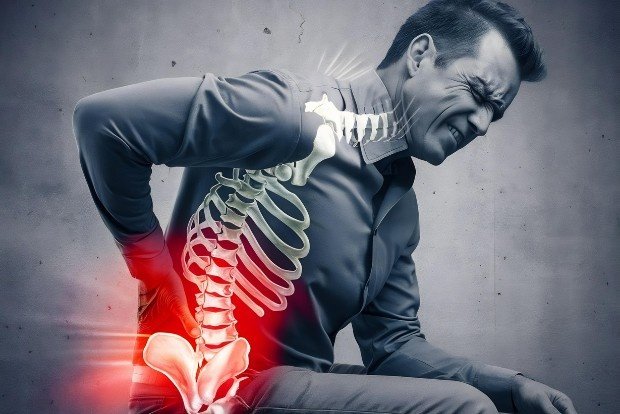
Common Causes of Hip and Back Pain
Both hip and back pain can arise from various musculoskeletal and nerve problems. Common causes include:
- Sciatica / Pinched Nerve: A herniated (slipped) disc or spinal stenosis in the lumbar spine can compress a nerve root. This causes radiculopathy: sharp, burning pain that starts in the lower back and travels down the buttock and leg (often on one side). Prolonged sitting, bending, or coughing can intensify this nerve pain.
- Herniated (Slip) Disc: A “slipped” lumbar disc pushes on nearby nerves. Rather than localized backache, the most common symptom is leg or buttock pain (sciatica). Weakened core muscles also increase the risk, so preventive exercises (planks, core-strengthening exercises) can help protect the spine.
- Osteoarthritis (Joint Degeneration): Wear-and-tear arthritis in the hip joint or in the spine’s facet joints can cause chronic aching. Hip osteoarthritis often causes deep groin or thigh pain that worsens with activity, while spinal arthritis leads to stiffness and low back pain. Hip arthritis also indirectly stresses the lower back – for example, gait changes from hip arthritis shift posture and load onto the lumbar muscles, contributing to back discomfort.
- Sacroiliac (SI) Joint Dysfunction: The SI joints link the lower spine and pelvis. Inflammation or misalignment here can produce sharp pain in the lower back or buttocks that may feel like hip pain. Activities that twist or extend the pelvis often worsen SIJ pain.
- Muscle or Tendon Injuries: Overuse or strain of hip/spine muscles (hamstrings, hip flexors, glutes) or tendons (e.g., bursitis of the hip) can trigger pain. Tight or weak hips can pull on the pelvis, leading to compensatory lower back pain. For instance, trochanteric bursitis (inflammation of the hip bursa) causes outer hip pain that, with compensation, can strain the back.
- Other Causes: Less commonly, fractures, infections, or tumors of the spine or hip can cause pain. Inflammatory conditions (like ankylosing spondylitis) cause severe morning stiffness and back pain. However, most hip/back pain is due to mechanical issues like those above.
Many of these factors overlap. As one pain specialist explains, the hip and lower back form a “biomechanical chain” – when one part is stressed or injured, the other often follows. For example, a leg-length discrepancy or hip contracture can tilt the spine, leading to back pain. That is why doctors examine the entire musculoskeletal system when diagnosing hip/back pain.
Symptoms and Warning Signs
Hip and back problems produce a spectrum of symptoms. Key signs include:
- Localized Pain: Pain felt in the hip/groin region or the low back (below the waistline) can indicate arthritis or joint irritation. Arthritis pain is often described as deep, dull, and aching in a joint. Back pain may be sharp or dull, and is often central or one-sided.
- Radiating (Referred) Pain: Nerve-related problems cause pain to “travel.” For instance, sciatica causes shooting pain down the buttock into the leg (often past the knee). Sometimes hip problems cause referred pain in the lower back. For example, hip osteoarthritis changes your gait and posture, which stresses the lower back muscles and can lead to lumbar pain. Conversely, lumbar disc disease can refer pain into the hip or thigh. Red Butte Pain Clinic notes that hip arthritis, hip flexor tightness, glute/piriformis issues, or bursitis can all produce secondary lower back pain.
- Stiffness and Morning Pain: Difficulty moving and morning stiffness are common with arthritis. If hip or spinal joints feel stiff after sleeping or sitting, with a “glue-like” sensation that eases with movement, arthritis or chronic inflammation may be to blame. Even after brief inactivity (like sitting at a desk), an arthritic hip/spine can feel “locked up.” By contrast, simple muscle strains often loosen with gentle stretching.
- Pain with Activity: Discomfort triggered or worsened by movement can point to mechanical issues. Pain walking or bearing weight suggests hip joint or spine problems. For example, seniors walking long distances often develop hip pain from arthritis. Many patients report pain or numbness that intensifies when sitting down with a herniated disc. Activities like bending forward, lifting, or even coughing can aggravate a pinched nerve.
- Pain in Rest vs. Night: Some conditions cause night pain (like arthritis or bone tumors), while nerve pain may be positional. Hip arthritis may wake you up if you lie on the affected side. Severe radiculopathy (sciatica) can disturb sleep due to tingling or leg cramps.
- Weakness or Numbness: True neurological symptoms (leg weakness, foot drop, loss of reflexes or sensation) suggest nerve root compression (as in a large herniated disc or spinal stenosis). This requires prompt medical evaluation.
If you experience severe symptoms (bowel/bladder changes, inability to walk) or pain that worsens despite rest, seek medical care. Otherwise, mild hip/back pain often improves with conservative care. For moderate symptoms, monitoring is fine, but a physical examination by a doctor or physiotherapist can clarify the cause.
Diagnosing Hip and Back Pain
Doctors use a combination of history, physical exam, and imaging to pinpoint the problem. Your orthopaedic or spine specialist will ask about your symptoms (onset, location, aggravating factors) and examine your posture, range of motion, reflexes, and muscle strength. Specific maneuvers (e.g., raising the leg or twisting the hip) help localize the pain.
Imaging tests are often ordered:
- X-rays show arthritis in the hip or lumbar spine, fractures, or alignment issues (e.g., scoliosis).
- MRI or CT scans reveal soft-tissue problems like disc herniation, spinal stenosis, nerve compression, or labral tears.
- Ultrasound can assess tendon and bursa inflammation around the hip.
As Healthline notes, doctors “will move your leg around the hip joint to find out where the issue is,” and use X-rays or MRI to confirm the source. In many cases, your family doctor can begin the workup. If needed, you may be referred to an orthopaedist (bone/joint specialist), a spine surgeon, or a sports medicine specialist for further evaluation. In Karimnagar, orthopaedic hospitals like Shashikanth Ortho and clinics staffed by spine specialists handle these referrals.
Early diagnosis is key. For example, persistent or worsening back pain with leg numbness may prompt an urgent MRI to rule out serious nerve compression. Conversely, isolated hip pain in an older adult with X-ray evidence of arthritis would be managed non-surgically at first.
Non-Surgical Treatments (Physiotherapy and More)
Most hip and back pain improve with conservative care. Initial treatments include:
- Physiotherapy (Physical Therapy): Guided exercises are the cornerstone of non-surgical care. A physiotherapist will design stretching and strengthening programs tailored to you. For low back pain, studies show that physical therapy significantly improves mobility and reduces pain. Therapists teach back exercises and core stabilization to support the spine. For hip pain, PT focuses on strengthening and flexibility of the hip and leg muscles. Healthline advises core strengthening in hip-pain patients to “keep your hip joint balanced” during movement. In practice, therapists may use manual therapy, posture training, and ergonomic advice. Overall, PT helps restore function and can prevent recurrence – patients who start PT early tend to fare better than those who use only pain pills.
- Medications and Injections: Over-the-counter pain relievers (NSAIDs like ibuprofen or naproxen) reduce inflammation in arthritis and disc problems. Injections may be used for targeted relief. For instance, corticosteroid injections into the hip joint can ease arthritis pain, and epidural steroid shots can calm sciatic nerve inflammation. At Shashikanth Ortho Hospital, interventional pain specialists (often anesthesiologists with pain medicine training) may perform nerve blocks or spinal injections as needed. These treatments provide temporary relief, allowing physiotherapy to continue. Pain clinics also offer advanced options, such as radiofrequency ablation for chronic back pain and regenerative therapies (PRP/stem cells) for joint pain.
- Lifestyle and Supportive Measures: Maintaining a healthy weight and good posture helps reduce joint stress. Ergonomic adjustments (proper chairs, mattress) and assistive devices (canes, orthotic shoe inserts) may be recommended. Heat, ice, or massage can soothe aching muscles. Importantly, staying active is advised: prolonged bed rest can weaken muscles and prolong back pain. Physical therapists and doctors alike encourage patients to keep moving. In fact, guidelines state, “Stay active and do as much of your normal routine as possible,” even with back pain. If pain persists beyond a few days or gets worse, a visit to a physiotherapist is recommended.
In summary, non-surgical management aims to relieve pain while strengthening the supporting muscles and correcting mechanics. Under the guidance of orthopaedists and pain specialists, patients typically follow a program of exercise therapy, medications, and possibly injections. More than one modality is often combined: for example, a patient might do PT, take anti-inflammatories, and receive a guided injection all at once.
Role of Orthopaedic and Pain Management Specialists
Orthopaedic surgeons and pain management physicians play complementary roles in the care of hip/back pain. An orthopaedic doctor (or spine surgeon) evaluates structural problems – for example, confirming a hip labral tear or severe arthritis needing surgery. A pain management specialist is a physician (often an anesthesiologist or physiatrist) trained to diagnose and treat chronic pain non-surgically. They use procedures like nerve blocks, epidural injections, and radiofrequency ablation to break the pain cycle.
According to the Hospital for Special Surgery, pain medicine doctors have “in-depth knowledge of the physiology of pain” and perform interventional procedures (nerve blocks, spinal injections, etc.) as part of a care plan. In practice, this means that at centers like Shashikanth Orthopedic Hospital, a pain physician might evaluate a patient who still has pain after initial treatments. They would coordinate the treatment plan – ordering imaging if needed, prescribing medications, and arranging therapies. HSS notes that pain specialists often work with therapists to oversee “a comprehensive treatment plan, including physical therapy… and rehabilitation programs”.
For example, a patient with chronic low back and hip pain might start with physical therapy. If pain lingers, a pain management doctor can add targeted treatments (e.g., an epidural injection for sciatic nerve irritation) while ensuring PT continues to improve core strength. This team-based approach – of orthopaedists, pain specialists, and physiotherapists – maximizes the chances of relief without surgery.
Surgical Options and Advanced Treatments
Surgery is considered only when conservative measures fail or when there is severe pathology. Indications may include: advanced hip arthritis with daily functional loss, a large herniated disc causing intractable sciatica, or spinal stenosis with neurogenic claudication. Modern techniques favor minimally invasive approaches: Shashikanth Ortho, for instance, is known as a keyhole surgery center in Karimnagar. This means they use arthroscopy (for hip joints) and tubular microsurgery (for the spine) to reduce trauma and speed recovery. Common surgical procedures include hip replacement for end-stage arthritis, discectomy for herniated discs, or decompression for spinal stenosis. Even complex fractures or sports injuries (ACL tears, etc.) are treated arthroscopically when possible.
That said, most hip and back problems can be managed without surgery. Even slipped discs often improve on their own. The Hospital for Special Surgery notes that “the majority of disc herniations improve on their own within 6 weeks to 3 months”. During that time, management with physical therapy and anti-inflammatory medication is recommended. Steroid injections can be used if pain is severe, as a bridge to recovery. Surgery (such as microdiscectomy) is reserved for cases in which pain is disabling, worsening, or neurologic deficits are present.
Expert Care in Karimnagar: Shashikanth Ortho and Local Resources
Karimnagar is fortunate to have local specialists for hip and back pain. Shashikanth Orthopedic Hospital (Doctors Street, Raja Theatre Circle) is a leading center in the region, offering comprehensive orthopedic and pain management services. According to its profile, Shashikanth Ortho is “dedicated to advanced pain management, sports injury care, and minimally invasive orthopedic surgery”. Their services explicitly include treatment of back pain, joint pain, arthritis, sports injuries, trauma care, and more. In other words, a patient with hip or back pain can receive everything from diagnosis to full treatment under one roof.
The hospital highlights personalized treatment plans – an important feature for chronic pain. They emphasize going “beyond simply masking symptoms” by diagnosing and treating the root cause of pain. For example, their Advanced Pain Management program aims to identify the underlying cause of chronic back pain or nerve pain and to use targeted non-surgical interventions. They also house a specialized physiotherapy unit and allied rehab staff to guide exercises and functional recovery. The mix of pain physicians, physiotherapists, and orthopaedic surgeons ensures patients receive a team-based approach.
Dr. Shashikanth Rasakatla himself is a senior orthopaedic surgeon leading the clinic. He has dual fellowships in Arthroscopy & Sports Medicine and Arthroplasty (Joint Replacement). This broad expertise – from treating sports injuries to performing joint replacements – means he can handle complex hip and spine cases. Patients and local reviews consistently recommend his skills and the caring hospital team.
In addition to Shashikanth Ortho, Karimnagar has other qualified spine specialists and pain clinics. For example, the “Shashikanth Pain Management & Sports Injuries Centre” is noted as the only keyhole surgery center in the area, offering arthroscopic surgery, PRP, and stem-cell treatments. Many residents seek out these clinics when home remedies fail. Whether it’s morning stiffness, pain when walking, or chronic discomfort, local orthopaedic and pain management centers are equipped to evaluate and treat these issues.
Facilities and Treatments Offered
Physiotherapy: On-site physiotherapy services help patients start rehab quickly. Physical therapists at Shashikanth Ortho work closely with the surgical and pain teams. They design exercise programs (for hip mobility, back strengthening, posture correction) as soon as the diagnosis is made.
Pain Management: The hospital has anesthesiologists trained in interventional pain management. They offer procedures like epidural steroid injections (for sciatica) and other nerve blocks. Such injections can reduce pain enough for the patient to engage in therapy.
Orthopedic Consultation: Orthopaedic surgeons evaluate X-rays and MRIs in-house. They can diagnose hip arthritis, SIJ problems, spinal conditions, and recommend treatment. Minimally invasive surgeries (arthroscopy, microdiscectomy, joint replacement) are performed on-site, so patients do not have to travel far for specialized care.
Because all these services are available locally, Karimnagar residents can address hip and back issues without having to travel to Hyderabad or Warangal. Shashikanth Ortho’s tagline highlights this: “Advanced pain management, sports injury care, and minimally invasive orthopedic surgery in Karimnagar”. In practice, this means you can get diagnostics, therapy, and surgery in one place.
FREQUENTLY ASKED QUESTIONS
Q.1 What causes hip pain that spreads to the lower back?
Hip pain that radiates to the lower back is often caused by hip arthritis, sciatica, sacroiliac joint dysfunction, or muscle imbalance. Because the hip and spine share nerves and muscles, a problem in one area can easily affect the other.
Q.2 How do I know if my pain is from the hip or the back?
Hip pain usually affects the groin, outer thigh, or causes pain while walking. Back pain often worsens with sitting or bending and may radiate down the leg. A physical examination and imaging tests help confirm the source.
Q.3 Is physiotherapy effective for hip and back pain?
Yes. Physiotherapy is one of the most effective non-surgical treatments for hip and back pain. It improves mobility, strengthens muscles, and reduces pressure on joints and nerves when done under expert guidance.
Q.4 When should I see an orthopedic doctor for hip or back pain?
You should consult an orthopedic doctor if pain lasts more than a few days, worsens with movement, causes stiffness in the morning, or radiates to the leg. Early treatment prevents chronic pain and complications.
Q.5 Where can I get expert hip and back pain treatment in Karimnagar?
You can get specialized orthopedic care, pain management, physiotherapy, and advanced non-surgical treatments at Shashikanth Orthopedic Hospital, Karimnagar, led by experienced orthopedic specialists.
Sources:
The Connection Between Hip Pain and Back Pain – Red Butte Pain Solutions
Best Orthopedic & Sports Injury Hospital in Karimnagar
6 Things to Know about Slipped Discs in the Lower Back
The Connection Between Hip Pain and Back Pain – Red Butte Pain Solutions
Is Your Pain Sciatica or Not? | The Advanced Spine Center
6 Things to Know about Slipped Discs in the Lower Back
The Connection Between Hip Pain and Back Pain – Red Butte Pain Solutions
The Connection Between Hip Pain and Back Pain – Red Butte Pain Solutions
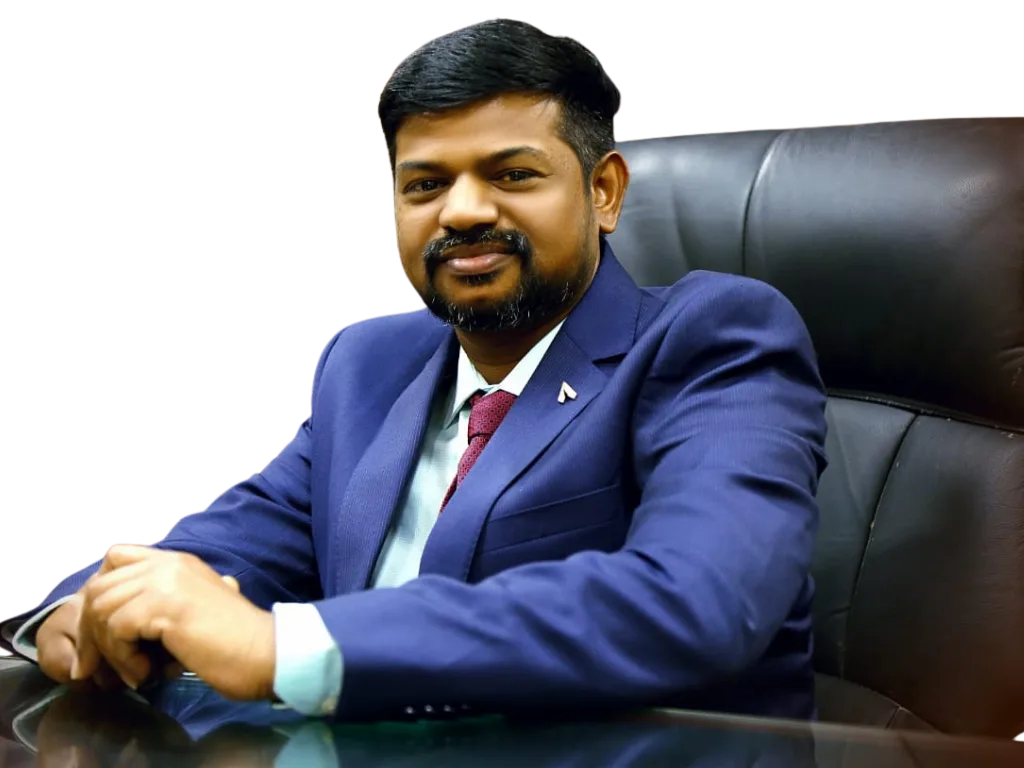
Dr. Shashikanth Rasakatla is a leading Orthopedic Surgeon, Joint Replacement Specialist, and the founder of the Sri Shashikanth Pain Management and Sports Injuries Centre in Karimnagar. He is passionate about using advanced, minimally invasive techniques to help patients overcome pain and return to an active lifestyle. Through his writing, he aims to provide clear, trustworthy information on joint health and sports medicine.
Leave a Reply